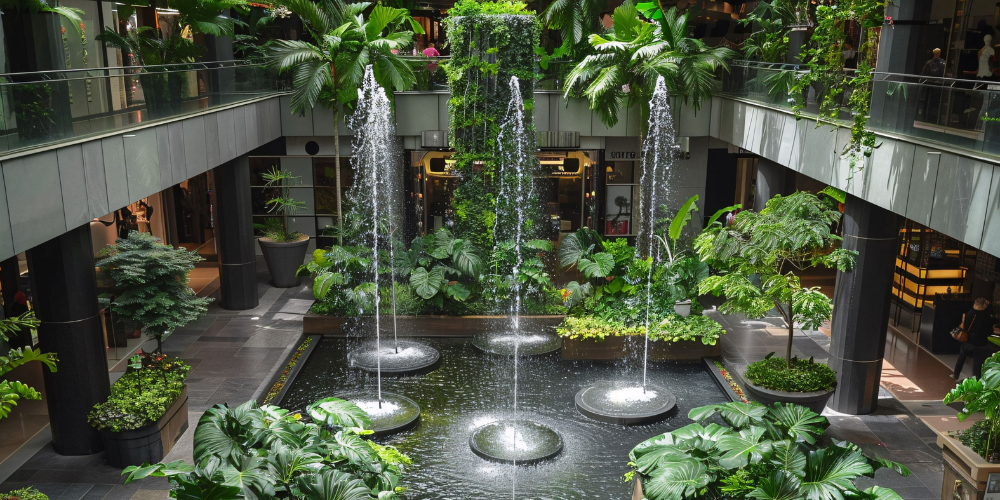
The idea of feeling closer to nature has never been stronger, yet real green spaces often feel out of reach for most people. Architects and designers are finding new ways to bridge that gap. The latest innovation? Simulated nature spaces, environments that mimic the look, sound, and rhythm of the outdoors. From offices to hospitals, these designs are changing how people feel and function indoors.
This new direction in architecture goes beyond traditional plants and gardens. It blends science, design, and technology to deliver the same calm and connection nature gives, even when there’s no soil or sunlight in sight.
The Rise of Fake Nature in Design
The idea that buildings need real plants to feel healthy has shaped architecture for decades. Iconic developments such as Bosco Verticale in Milan or the High Line in New York turned urban spaces into green landmarks admired around the world.
Still, those models are not practical everywhere. Everyday spaces like classrooms, medical facilities, and offices need solutions that are easier to maintain and replicate. This limitation has pushed designers toward simulated nature, an approach that captures the look and feeling of the outdoors indoors.
Modern Mill, a leader in sustainable building materials, recently highlighted this approach in a white paper. It suggests that biophilic design, the practice of connecting people with nature through design, doesn’t need to rely on actual plants. Instead, it can simulate nature through textures, lighting, sounds, and sustainable materials that the body and mind interpret as natural.
How the Mind Responds to Simulated Nature
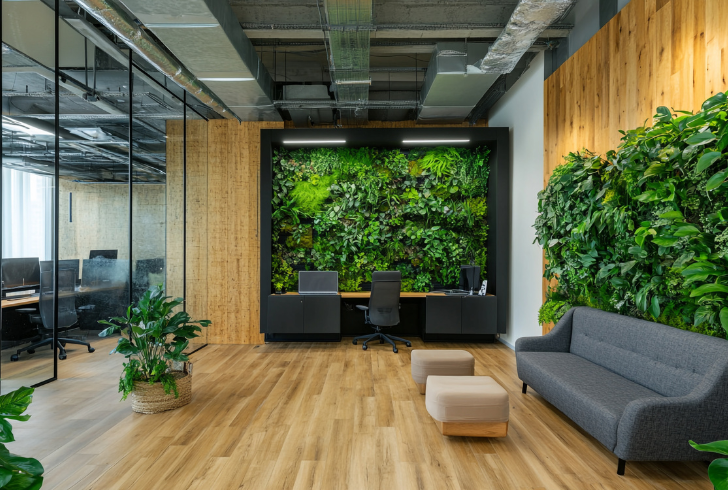
FReepik | tohamina | Designers now use textures and lighting to create natural-feeling spaces without real plants.
Humans respond instinctively to nature. The brain reads its signals, color, movement, sound, and texture, and triggers calmness. What’s fascinating is that this response doesn’t require real nature.
Research cited by Modern Mill shows how convincingly the brain accepts substitutes:
1. Spending 30 minutes in a simulated nature space lowers stress as much as being outdoors.
2. Landscape images reduce anger and tension in office workers.
3. Nature sounds, like gentle rain or rustling leaves, help people recover from mental fatigue.
4. Virtual forests produce the same restorative effects as real ones.
5. Pictures of water can even feel more soothing than an actual outdoor scene without it.
This happens because the brain recognizes familiar sensory cues, not the source itself. When light, texture, and pattern mimic natural elements, the body reacts automatically. It’s biology responding before logic can intervene.
Why Real Biophilic Icons Are Hard to Imitate
Projects like Bosco Verticale look stunning, but they require enormous resources to maintain. Each tree, flower, and vine in that building was chosen based on floor height, sunlight exposure, wind, and humidity. Engineers built custom irrigation systems, lightweight soils, and even solar-powered pumps to keep the forest alive.
As Modern Mill explains, the problem is scale. Most structures simply can’t sustain this kind of complexity or cost. A school or office can’t afford to maintain live forests, nor can small homes replicate this ecosystem.
That’s why simulated nature is gaining traction. It delivers the same sensory benefits without the technical burden. Instead of replicating nature literally, designers can create environments that feel natural, practical, affordable, and emotionally effective.
From Literal to Sensory Biophilia
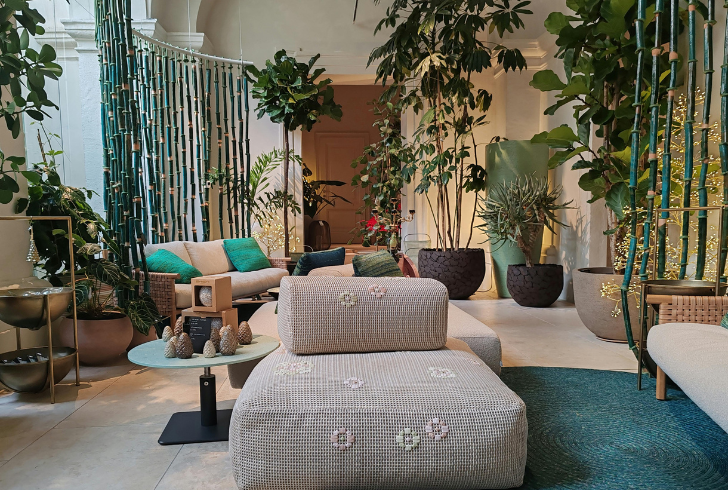
Pexels | Janez Temlin | By using sensory cues, biophilic design expands creativity beyond literal greenery.
When design shifts from literal greenery to sensory cues, creativity expands. Biophilic design recognizes both direct and indirect connections with nature. It values the light patterns that mimic sunlight, the textures that feel organic, and the materials that resonate with natural energy.
This shift opens endless possibilities. A windowless room can have a believable outdoor view through digital displays. A hallway can feel calm with wood-textured panels and natural lighting tones. Even artificial skylights that adjust color throughout the day can sync with the body’s circadian rhythm.
In essence, simulated nature becomes a design language that communicates calm and connection through subtle, sensory details.
The Material Evolution Driving This Trend
A major part of this movement comes from innovative materials. Companies are creating sustainable wood alternatives using agricultural byproducts like rice hulls. These materials deliver the same warmth, grain, and tactile comfort of real wood without environmental downsides.
Older synthetic woods often felt cold or fake, breaking the illusion of nature. The new generation feels authentic. They mimic real textures, absorb light naturally, and provide the grounding energy of organic materials.
This material shift is vital because it lets designers build spaces that both look and feel alive, without the maintenance or carbon footprint of natural timber.
Real-World Applications of Simulated Nature
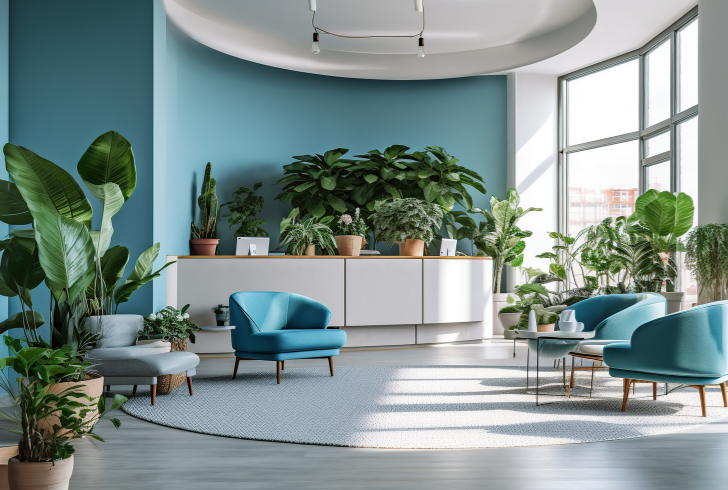
Freepik | WangXiNa | Simulated nature helps everyone feel calm and connected, even in busy cities.
Artificial nature is changing the way we design spaces. In hospitals, digital windows showing forest views improve recovery times and reduce patient stress.
Classrooms are becoming quieter and more balanced through sound-dampening walls and gentler lighting. Offices are following suit, trading glossy finishes for subdued colors and natural patterns that help people concentrate and feel less drained.
Urban apartments are also seeing the benefits. Rice-hull siding brings a sense of warmth, and digital skylights recreate the rhythm of daylight, helping residents feel more grounded. Done right, artificial nature can offer real emotional ease.
Looking Ahead
Simulated nature is about more than decoration—it extends the outdoors into daily life. Using colors, textures, and rhythms inspired by nature, designers create spaces that promote calm, clarity, and connection. As cities grow denser, these strategies may define the future of wellness-focused design.