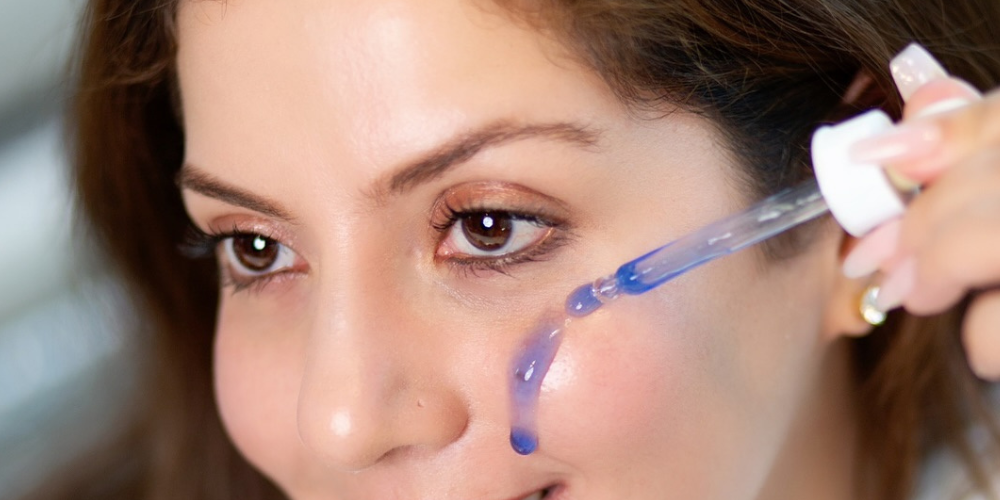
Peptides are gaining recognition in skincare for their ability to support healthy, youthful-looking skin. Among them, copper peptides have emerged as a favorite due to their potential to repair skin, enhance collagen production, and improve elasticity. Once a niche ingredient used primarily on dermatology, copper peptides are now widely discussed across social media, including #SkinTok and skincare forums on Reddit.
While peptides come in many types, copper peptides—also called GHK-Cu—have attracted attention for their dual role in wound healing and skin rejuvenation. As cosmetic science continues to explore their benefits, dermatologists consider them a gentle yet effective option for maintaining skin health and addressing early signs of aging.
What Are Copper Peptides?
Peptides are short chains of amino acids that act as signaling molecules in the body, instructing cells to perform specific functions. In the skin, they can influence processes like collagen production, inflammation reduction, and wound healing.
Copper peptides are naturally occurring compounds composed of a short peptide bound to a copper ion. They are produced in the body and play a role in tissue repair. As people age, the natural production of copper peptides declines, which has led skincare companies to include them in topical formulas to support skin regeneration.
Dr. Whitney Hovenic, a double board-certified dermatologist and Mohs surgeon, explains:
“In skin, different peptides can encourage various responses, from collagen formation to reducing inflammation to aiding wound healing, depending on their structure.”
Benefits of Copper Peptides for Skin
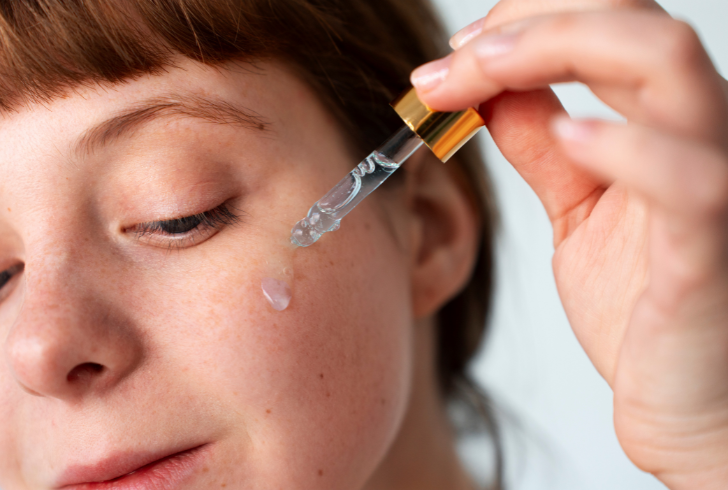
Freepik | Copper peptides boost skin density and firmness to combat age-related elasticity loss.
Clinical research supports several benefits of copper peptides, particularly in wound healing and tissue repair. While they do not replace foundational anti-aging ingredients like retinoids or vitamin C, copper peptides serve as a supportive component in a well-rounded skincare routine.
1. Collagen and Skin Repair
Collagen is essential for skin elasticity, firmness, and strength, but its production slows with age. Copper peptides stimulate collagen and elastin production by sending signals to skin cells.
Dr. Corey Hartman, MD, board-certified dermatologist and founder of Skin Wellness Dermatology in Birmingham, AL, states: “Copper peptides stimulate collagen and elastin production while copper acts as a helper for enzymes that stabilize new collagen, making it stronger.”
In one small study, topical GHK-Cu improved collagen production in about 70% of women over 12 weeks.
2. Improved Skin Firmness and Elasticity
Skin elasticity starts to decline in your mid-twenties and becomes more noticeable by your forties and fifties. Studies show that copper peptide formulations can help increase skin density and thickness while boosting firmness and elasticity with consistent use.
3. Reduction of Fine Lines and Wrinkles
These peptides support collagen production and reinforce skin structure, helping reduce fine lines and wrinkles. Clinical studies show smoother texture and a gradual decrease in visible wrinkles.
Dr. Hartman notes: “Combining copper peptides with other peptides or collagen-enhancing ingredients can deliver even greater improvements in texture and firmness.”
Gentle and Safe
Copper peptides are well-tolerated across most skin types. They focus on strengthening the barrier rather than stripping the skin, which reduces the risk of irritation.
People with inflammatory skin conditions such as rosacea or eczema can also benefit from copper peptides, although performing a patch test before applying them to the face helps reduce the chance of an adverse reaction.
Some ingredients can reduce copper peptide effectiveness. Exfoliating acids or low-pH formulations, such as vitamin C, can weaken the peptide-copper bond and limit its benefits. Careful layering of products ensures the peptides remain effective.
How to Use Copper Peptides
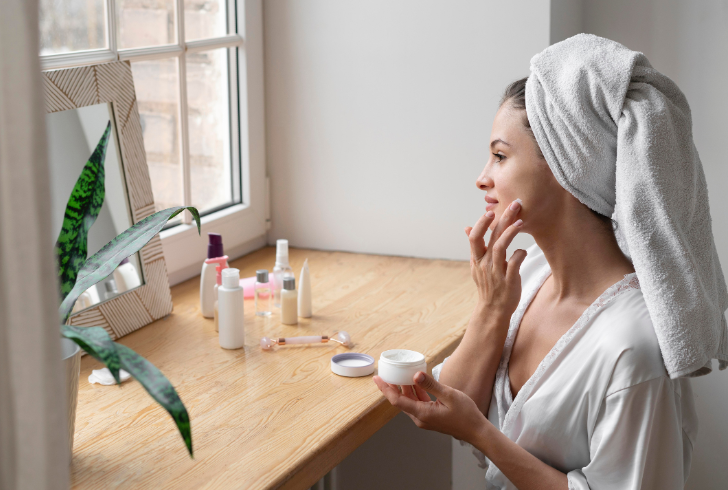
Freepik | Stable and versatile, copper peptides pair perfectly with most hydrating actives.
Copper peptides are stable in sunlight, so you can layer them into morning or evening routines without worry. They play nicely with antioxidants, hyaluronic acid, ceramides, and niacinamide, helping skin stay hydrated and resilient.
Morning: Apply under sunscreen for all-day protection and repair.
Evening: Add to night routines, alternating with stronger actives like retinoids to avoid irritation.
Oral supplements exist, but dermatologists prefer topical application, since evidence for ingestible peptides is limited.
Making Copper Peptides Work for You
They’re not a replacement for your foundation actives—they enhance them. Copper peptides help maintain elasticity, firmness, and texture while supporting skin repair.
Dr. Hovenic says: “Think of them as a gentle boost to your anti-aging routine.” Consistent use, combined with sun protection, helps your skin stay strong, hydrated, and more resilient over time.