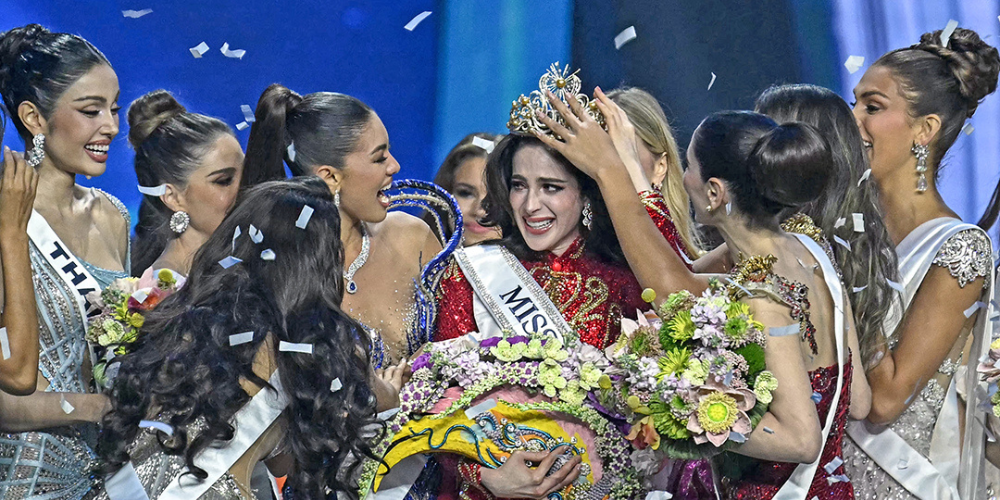
Miss Mexico Fatima Bosch claimed the Miss Universe 2025 title in Bangkok, closing one of the most turbulent pageant seasons in years. Her win came only weeks after she walked out of a pre-event ceremony, where a Thai organizer publicly scolded her in front of fellow contestants. That confrontation and her bold response became global headlines, reshaping the tone of this year’s competition.
Bosch, 25, captured the world’s attention with her calm confidence and refusal to stay silent when confronted. Many fans viewed her as a symbol of strength and authenticity. However, her crowning reignited debates about whether the win was entirely fair or influenced by the earlier controversy.
Online reactions quickly divided. Supporters celebrated her victory as justice served, while critics speculated the decision was made to repair the competition’s reputation. Despite the noise, Bosch stood tall, her composure earning admiration from audiences across continents.
Tension Builds Before the Crowning Moment
The conflict began at a promotional event when Thai media mogul and pageant organizer Nawat Itsaragrasil criticized Bosch for not posting promotional material. When she voiced her disagreement, he called security and threatened disqualification for any contestant who sided with her. Bosch left the room, joined by several others in solidarity. The video went viral, sparking international outrage.

Instagram | @brianlovespageantry | Nawat Itsaragrasil faces backlash as tensions rise after his clash with Miss Mexico Fatima Bosch.
Shortly after, the Miss Universe Organization released a statement condemning Nawat’s behavior as “malicious.” Mexican officials, including President Claudia Sheinbaum, praised Bosch for standing her ground. Sheinbaum described her as “an example of how women should speak up in the face of aggression.”
During the finals in Bangkok, Nawat appeared only briefly in the audience and later shared a cryptic social media post that read, “A billion words that cannot be said.”
Backstage Drama and Public Speculation
Following Bosch’s win, speculation intensified. Some pageant enthusiasts joked that the fastest route to a crown was to stage a protest. Others insisted the organization crowned her to rebuild credibility after global criticism. The victory marked Mexico’s fourth Miss Universe title, solidifying Bosch’s place in the country’s pageant history.
Amid celebration, fresh turbulence hit the organization. Two judges, Lebanese-French musician Omar Harfouch and former French footballer Claude Makelele, resigned days before the finals. Harfouch accused the organizers of rigging the selection process, claiming that finalists were pre-selected before the live event. Makelele cited “personal reasons” but withdrew shortly after Harfouch’s public allegations.
The Miss Universe Organization denied these claims, emphasizing that no outside party influenced the results. Even so, the timing fueled questions about transparency. Moments after Bosch’s coronation, Harfouch repeated his accusations online, drawing even more public attention.
Unexpected Incidents and Viral Moments
Adding to the pageant’s chaotic backdrop, Miss Jamaica suffered a fall during the evening gown round and was rushed from the stage on a stretcher. Fortunately, she sustained no serious injuries, and organizers later confirmed she was “under good care.” Clips of the fall spread rapidly on social media, symbolizing the unpredictable nature of this year’s event.
Despite these hurdles, the Bangkok stage dazzled with energy, tradition, and emotion. Bosch’s poise during the question round impressed judges and viewers alike. Her answer, centered on integrity and resilience, resonated deeply with fans following her earlier standoff with organizers.
A Deeper Look at the Leadership Divide
Experts believe the controversy reveals deeper issues within the pageant’s leadership. Currently, Miss Universe operates under shared control between Thai and Mexican management, a structure many insiders find confusing.
Thai businessman Nawat Itsaragrasil, known for running Miss Grand International, oversaw event logistics in Bangkok. Meanwhile, Mexican entrepreneur Raul Rocha managed the business side from Latin America. This split leadership created communication gaps and differing priorities.
American pageant coach Dani Walker described it as “a very rocky transition,” while former Miss Universe president Paula Shugart said the unclear structure has damaged the brand’s reputation. “No one knows who’s actually in charge,” Shugart noted. “That confusion hurts trust, especially for contestants.”
A Changing Era for Miss Universe
The Miss Universe Organization has undergone massive change over the past few years. In 2022, Thai transgender media mogul Anne Jakrajutatip purchased the franchise from US company Endeavor. She championed inclusivity by allowing transgender women, married women, and mothers to compete, while removing the upper age limit.
However, as television ratings dropped, Jakrajutatip sought to transform Miss Universe into a modern lifestyle brand. She launched merchandise, from bottled water to handbags, carrying the pageant’s name. Financial strain soon followed. Her company, JKN Global, filed for bankruptcy in 2023, leading to leadership changes just before this year’s competition.
Jakrajutatip later appointed Raul Rocha as business partner and Nawat Itsaragrasil to handle on-ground management. While the strategy aimed to expand global reach, cultural tensions soon surfaced between Thai and Latin American stakeholders.
Cultural Clashes and Shifting Perceptions
Scholars like Thitiphong Duangkhong, an expert in women’s and Latin American studies, highlighted the cultural rift between both teams. He explained that while Thai organizers communicate through local context and hierarchy, Latin American audiences often view pageantry through a lens of glamor and empowerment.
He also noted that some fans in conservative communities struggled to accept a transgender owner leading a pageant historically centered on women’s representation. “People questioned what it meant for women when ownership shifted,” Duangkhong said. “It created tension, especially in regions that value traditional gender ideals.”
The Future of Miss Universe

Instagram | @mameypageantnews | Miss Universe embraces a digital future while empowering women worldwide with modern storytelling and inclusivity.
Despite internal struggles, Miss Universe continues to evolve. The organization now embraces digital platforms, shifting focus from television to TikTok, YouTube, and Instagram. Contestants no longer rely solely on live broadcasts; instead, they build personal brands online. Many former titleholders have millions of followers, turning their influence into full-time careers.
The pageant has also explored new formats, including a reality-style show for Latin American audiences. Winners from these regional contests, such as Miss Universe Latina, now qualify for the global stage. This move aims to connect with younger viewers while honoring the glamour long associated with beauty contests.
Even so, the event faces ongoing criticism about objectifying women. Organizers have adapted by allowing contestants from conservative nations to wear modest swimwear during competition rounds. According to Shugart, those changes prove that the pageant can evolve while maintaining its essence. “As long as empowerment remains the focus,” she said, “Miss Universe will always have a place in society.”
A Crown That Redefined Courage
Fatima Bosch’s triumph goes far beyond a beauty title. Her defiance and confidence sparked global conversation about respect, fairness, and women’s voices. Though her path to the crown was marked by conflict, she turned controversy into empowerment.
The 25-year-old now stands as a role model for authenticity in an industry often driven by image. As Miss Universe 2025, she represents resilience, transparency, and strength, a reflection of modern womanhood.
Her journey proved that courage still reigns supreme in the world’s most glamorous stage, and her victory reminds fans everywhere that standing up for what’s right can redefine what it truly means to wear the crown.